Hockey is a sport of skill, speed, and strategy. For many players, success depends on something less obvious: superstition. From pre-game rituals to strange habits, these quirks can seem odd to outsiders. Yet, they reveal the psychology of athletes chasing peak performance in the tournaments covered by TonyBet. Let’s explore the superstitions of hockey players and how they shape their mindset before they hit the ice.
The Power of Routine
For hockey players, routines are more than habits. They bring comfort and control in a high-pressure sport. Pre-game rituals often begin long before they reach the arena. These include meals, music, and even the order they put on gear. Many believe routines improve focus and build confidence.
Take Sidney Crosby as an example. The Penguins captain sticks to a game-day diet of peanut butter and jelly sandwiches. He also tapes his stick a specific way. Crosby’s dedication shows how consistent preparation can lead to consistent performance.
Dressing the Part
One of the most common superstitions in hockey revolves around how players put on their gear. Many athletes insist on putting equipment on in a specific order—often starting with the left skate or glove. This ritualistic approach to getting dressed is thought to create a sense of familiarity and readiness, reducing pre-game anxiety.
Former NHL goaltender Patrick Roy took this to another level, talking to his goalposts during games to reinforce a sense of connection with his equipment. While it may have seemed odd to spectators, Roy’s unique ritual was a key part of his preparation and contributed to his reputation as one of the greatest goalies of all time.
Lucky Charms and Keepsakes
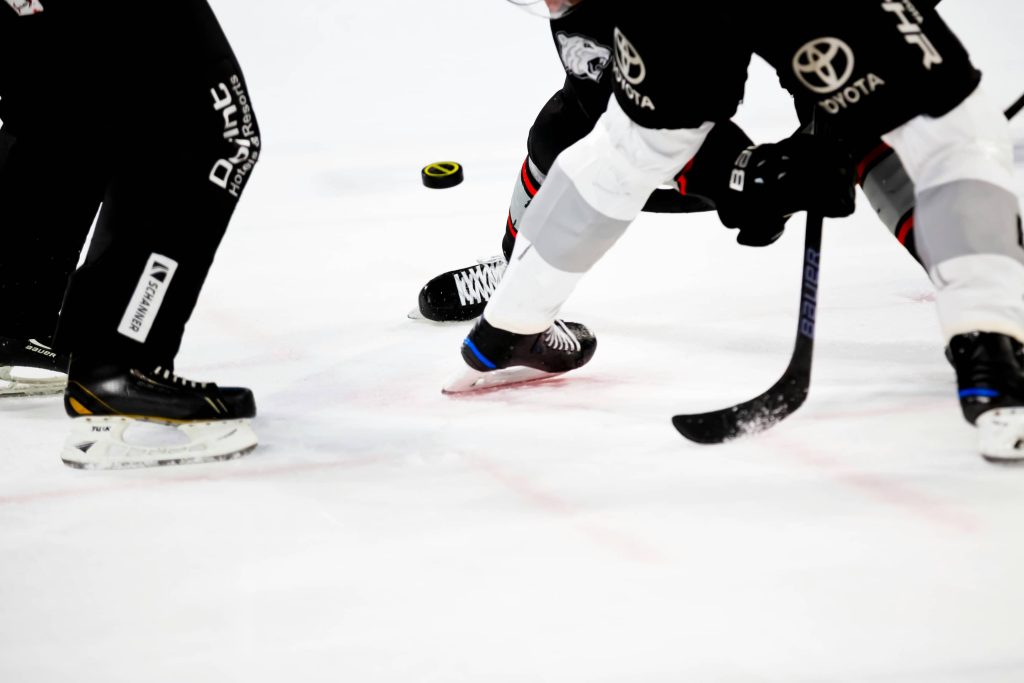
Hockey players are known to carry lucky charms or keepsakes as part of their game-day rituals. Some tape small items, like coins or family photos, inside their gear for good luck. Others rely on a specific piece of equipment they believe holds magical powers. If something works during a winning streak, players are often reluctant to change it.
Detroit Red Wings legend Steve Yzerman once famously refused to wash a pair of lucky socks during the playoffs. While this might not win points for hygiene, it highlights the lengths players will go to preserve a winning streak and keep the luck alive.
Superstitions on the Ice
Superstitions don’t stop in the locker room—they often extend onto the ice. For example, many players refuse to touch the Stanley Cup until they’ve won it, fearing it will jinx their chances. This tradition has become so ingrained that even casual fans recognize it as part of hockey lore.
Warm-up routines are another area where superstitions come into play. Some players follow strict patterns during pre-game skates, whether it’s always skating clockwise or taking a specific number of shots on goal. The idea is that these actions help them find their rhythm and set the tone for the game.
The Psychological Edge
Why do players cling to these superstitions? Psychologists suggest that rituals provide a sense of control in a sport where so much is unpredictable. Hockey is fast-paced, with outcomes often hinging on a single bounce of the puck. Superstitions offer players a way to manage their anxiety and focus their energy on what they can control.
Moreover, rituals often create a sense of camaraderie among teammates. Shared traditions, like pre-game handshakes or locker room chants, foster unity and build team morale. In a sport where teamwork is crucial, these collective superstitions can be just as important as individual ones.
The Line Between Superstition and Routine
While some rituals may seem bizarre to outsiders, they are a testament to the dedication and discipline of hockey players. Whether it’s a lucky charm, a specific pre-game meal, or an elaborate warm-up routine, these quirks play a vital role in helping athletes prepare mentally and physically.
In the end, hockey superstitions are more than just odd habits—they’re a window into the psyche of players who strive for excellence under immense pressure. They remind us that even at the highest levels of sport, the human element is always present, shaping the game in ways that are as fascinating as they are unpredictable.